
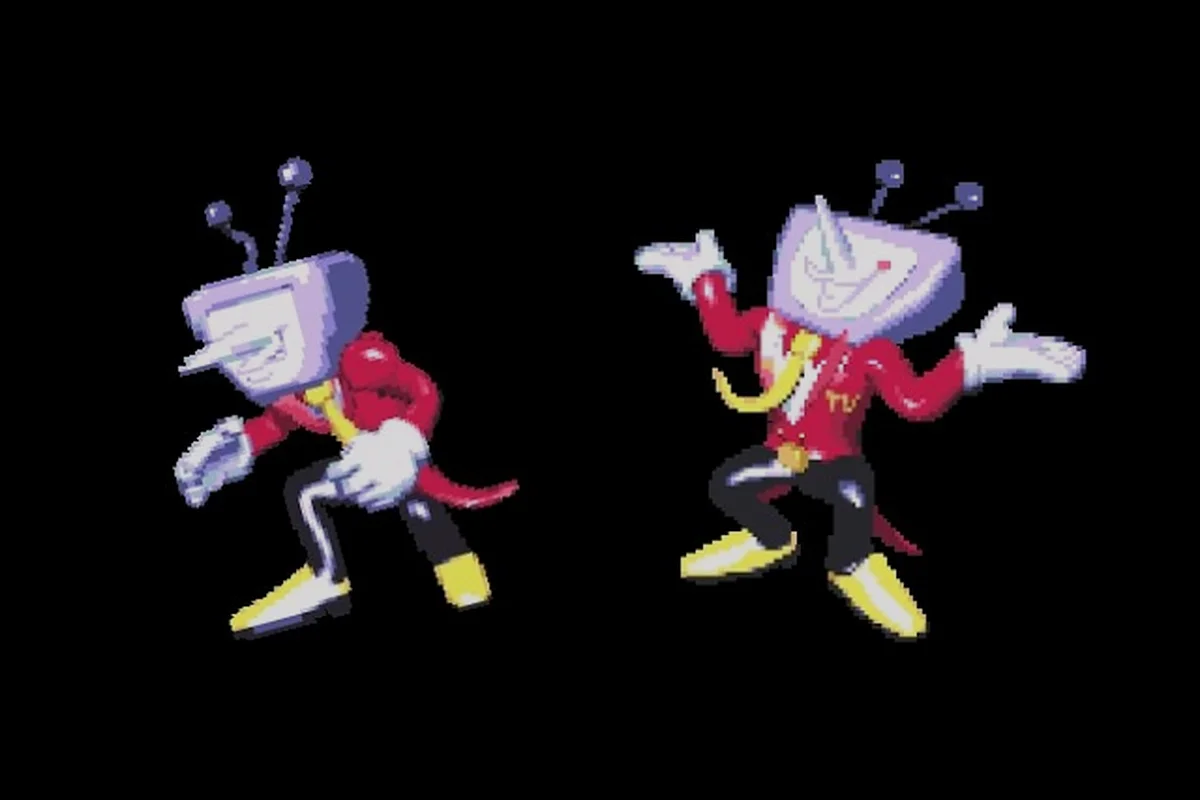
The appeal of DELTARUNE Fight character skins goes far beyond simple cosmetics, because the Roblox boss-rush format turns every visual choice into a statement about how you read a fight. As of the September 2026 build, the confirmed line-up so far includes Tenna, King, Pink, and Kaizo Knight, and each one carries a distinct silhouette that players immediately recognize from community videos. Understanding which looks are actually obtainable, which ones are fan-made concepts, and which styles suit a beginner versus a veteran run matters more than most players expect, since the wrong visual read can make a telegraphed attack feel completely unreadable.
What the Confirmed Roster Actually Shows About Style
The confirmed boss roster is smaller than many newcomers assume, which means every DELTARUNE Fight character skin currently in the game has to carry a lot of visual weight. According to community videos, the four confirmed bosses each lean on a different design language: Tenna uses a tall, broadcast-inspired frame, King brings a heavy regal silhouette, Pink reads as a compact and aggressive shape, and Kaizo Knight leans into armored, angular geometry. None of these are simple palette swaps, because the developer built each one around a distinct attack rhythm that the outfit reinforces rather than hides.
How Silhouette Affects Readability
A skin is not just a texture in this game. Because every boss telegraphs attacks through body language, the visual bulk of a character changes how quickly you can parse an incoming swing. Community footage of the Tenna Battle capture shows that the broadcast-style frame makes wide, high-damage swings easier to spot from the edge of the arena, while a more compact frame like Pink can disappear into visual noise during the high-pressure phase. Players who struggle with reaction speed often report that they prefer bulkier, high-contrast looks for exactly this reason.
| Confirmed Boss | Visual Silhouette | Readability Habit | Best Suited For |
|---|---|---|---|
| Tenna | Tall, broadcast-inspired | Watch for wide stance shifts before swings | Players who read spacing first |
| King | Heavy, regal frame | Track the crown line during combo windups | Veterans comfortable with slow telegraphed hits |
| Pink | Compact, aggressive shape | Stay close enough to see limb movement | Aggressive players who hug the boss |
| Kaizo Knight | Armored, angular geometry | Watch shoulder rotation, not weapon tip | Methodical players who bait attacks |
The key takeaway is that readability is a skill, not a setting. A skin that looks intimidating on a thumbnail may actually be the easiest to fight against in practice, because its visual language is so distinct that every attack reads clearly.
Fan-Made Looks and the Character Skin Conversation
The DELTARUNE Fight fan characters scene is already active, even though the game launched in August 2026. Because the official roster is still small, players have filled the gap with concept edits, recolor mockups, and full original designs posted across community channels. These fan-made looks are not currently obtainable in the game, but they shape how players talk about what the roster could become, and several recurring concepts have already influenced community tier discussions.
What Fan Designs Get Right
The strongest fan concepts tend to preserve the readable silhouette rule. A popular fan edit that gives Kaizo Knight a slimmer, more flowing cape looks striking in a still image, but community feedback often notes that it would blur the shoulder rotation cue that makes the boss readable. This is the central tension in the DELTARUNE Fight character skins conversation: a look has to survive contact with actual combat, not just look good in a thumbnail.
| Fan Concept Type | Common Theme | Community Reception | Likely Impact on Readability |
|---|---|---|---|
| Recolor edits | Alternate palettes for confirmed bosses | Generally positive, low controversy | Minimal, if contrast is preserved |
| Armor swaps | Giving King or Pink new armor sets | Mixed, depends on bulk changes | Can hide or reveal attack tells |
| Original fighters | New boss concepts with unique weapons | High engagement, speculative | Unknown until animated |
| Cape and cloth additions | Flowing fabric over existing frames | Visually popular, mechanically risky | Often obscures limb cues |
What this means for players is that the fan character conversation is not just aesthetic. It is a practical discussion about which visual changes would make a boss harder or easier to read, and that is exactly the kind of thinking that transfers directly into better fight performance.
Character Difficulty and the Beginner-Friendly Read
When players ask about DELTARUNE Fight character difficulty, they are usually asking two different questions at once. The first is which boss hits the hardest or moves the fastest. The second, and often more useful question, is which boss is easiest to learn against. These are not the same thing, because a boss with a wide, high-damage swing can be easier for a beginner than a boss with a fast, low-damage poke, simply because the wide swing is telegraphed well in advance.
Why the Best Character for Beginners Is Not the Weakest
The DELTARUNE Fight best character for beginners conversation tends to settle on whichever boss teaches the core dodge rhythm most cleanly. Based on community reports, King is frequently cited as a strong learning opponent, because the regal frame and slower combo windups give new players time to see the pattern before they have to react. Tenna, by contrast, is often described as a mid-tier learning challenge, because the broadcast-style frame is readable but the attack cadence can feel erratic during the high-pressure phase.
| Learning Factor | King | Tenna | Pink | Kaizo Knight |
|---|---|---|---|---|
| Telegraph clarity | High, slow windups | Medium, wide but variable | Medium, compact tells | High, angular shoulder cues |
| Punish window | Generous, forgiving | Moderate, timing-dependent | Short, requires aggression | Moderate, bait-dependent |
| Beginner forgiveness | Strong | Moderate | Weak | Moderate |
| Skill ceiling | Low to medium | Medium | High | Medium to high |
The practical advice is to treat your first few runs as a readability test. Pick the boss whose silhouette you can parse without staring at the health bar, because that is the one that will teach you the most about the game's rhythm.
Style Tier Ranking Without Fake Numbers
A DELTARUNE Fight character tier ranking that relies on invented damage values or phase counts would be useless, because the game publishes zero mechanic numbers anywhere. Instead, the useful ranking is about style clarity, learning value, and how well each confirmed boss rewards a specific player habit. This is a qualitative tier list, built from community video observations and player reports rather than fabricated statistics.
The Qualitative Tier Framework
The framework ranks each confirmed boss on three axes: visual readability, learning value, and style distinctiveness. A boss scores high on visual readability when its attacks are easy to parse from body language alone. Learning value measures how much fighting that boss improves your overall game sense. Style distinctiveness captures how memorable and unique the character design feels in motion.
| Tier | Boss | Why It Ranks Here |
|---|---|---|
| S | Kaizo Knight | Distinct angular design, clear shoulder cues, high learning value |
| A | King | Best beginner teacher, forgiving telegraphs, strong silhouette |
| A | Tenna | Memorable broadcast frame, variable cadence keeps it engaging |
| B | Pink | Compact and aggressive, but readability suffers in high-pressure phase |
This ranking is not about power, because no verified power numbers exist for any deltarune fight character skin. It is about how well each character's visual design supports the actual gameplay loop, which is the only ranking that holds up under scrutiny. A skin like Kaizo Knight earns its S tier not because it hits harder, but because its angular silhouette and shoulder-cue telegraphs let a first-time player read an incoming slash before the hitbox spawns. Compare that to Pink, whose compact frame and aggressive lunge animations blur together in the high-pressure phase, forcing players to memorize timing windows instead of reacting to body language. That gap between "you can see it coming" and "you have to already know" is what separates a skin that teaches you deltarune fight fundamentals from one that merely looks aggressive on stream.
How to Pick Your First Character Skin Focus
Choosing where to start with DELTARUNE Fight character skins depends on what you want to improve first. If your goal is to learn the dodge rhythm, start with King. If you want to train reaction speed against a readable but variable opponent, Tenna is the better pick. If you want to test whether you can read a compact, aggressive frame, Pink will expose every gap in your visual parsing. And if you want the most complete mechanical education, Kaizo Knight is the strongest long-term target.
A Simple Progression Path
The most efficient learning path is not to jump straight to the hardest boss. Instead, build your visual literacy in stages, because each confirmed boss teaches a different layer of the game's combat language. A player who can already read King's crown-line windup carries that timing sense into Tenna's wide-swing spacing checks, and the compact close-range tells from Pink then transfer directly to reading Kaizo Knight's shoulder rotation before the weapon tip even moves — each stage compounds on the previous one rather than resetting your instincts. Skipping ahead to Kaizo Knight without that foundation usually means reacting to the weapon arc after it has already started, which is too late for the tighter dodge windows in later phases.
-
Stage 1: Read the rhythm. Fight King until you can predict the combo windup from the crown line alone.
-
Stage 2: Read the spacing. Fight Tenna and focus on where you stand relative to the wide swings.
-
Stage 3: Read the aggression. Fight Pink and learn to parse compact tells at close range.
-
Stage 4: Read the geometry. Fight Kaizo Knight and track shoulder rotation instead of the weapon tip.
This progression mirrors how the community discusses character difficulty in the broader DELTARUNE Fight tier list explained conversation, where readability and learning value consistently outweigh raw intimidation factor. A boss with a flashy, screen-filling attack can sit lower on the recommended learning curve than a compact fighter like Pink precisely because the former telegraphs its intent from across the arena, while the latter demands that you parse a shoulder twitch at point-blank range. That is why the tier ranking conversation tends to reward characters whose tells remain legible even when their damage numbers climb — and why the staged path above treats visual clarity, not raw HP pressure, as the actual gate between one skin matchup and the next.
Studying The KittyGamerFun Tenna Capture
The most reliable public look at how these characters actually move comes from community video captures. One particularly useful capture is the Tenna Battle video by KittyGamerFun, which shows the broadcast-style frame in motion and gives players a clear sense of how the wide swings telegraph before they land. Because the developer has not published official frame data or attack breakdowns, community footage is currently the best way to study character readability before you commit to a learning path.
Why Video Study Beats Static Images
A static thumbnail can make any boss look intimidating, but it cannot show you the rhythm. Watching even a short community capture reveals the windup patterns, the spacing habits, and the visual cues that matter in a real fight. Players who study video before their first attempt consistently report that they enter the fight with a clearer mental model, which is why the community video ecosystem has become such a central part of the DELTARUNE Fight character skins conversation.
| Study Method | What It Reveals | What It Misses |
|---|---|---|
| Static screenshots | Silhouette, color palette, overall design | Attack rhythm, telegraph timing |
| Short video clips | Windup patterns, spacing habits | Full phase progression |
| Full fight captures | Complete rhythm, phase transitions | Personal feel of execution |
| Hands-on practice | Everything, plus your own reaction speed | Nothing, but costs time |
The table above makes the asymmetry concrete: full fight captures reveal the complete rhythm and phase transitions, but they can never reproduce the personal feel of execution — the half-second hesitation when a new deltarune fight character skin telegraphs an attack you have only seen, not survived. That gap is exactly where hands-on practice earns its place in any deltarune fight character difficulty discussion. A player who watches a deltarune fight fan character clear Jevil's chaos carousel understands the spacing in theory, yet still fumbles the first real dodge because their fingers have not learned the input timing. Reversing the order creates the opposite problem: grinding attempts blind builds muscle memory for the wrong tells, and unlearning a misread windup costs more time than watching two minutes of footage beforehand. For beginners working through a deltarune fight character tier ranking, the efficient loop is deliberately asymmetric — one full capture to map the phase structure, then repeated short clips of the specific attack that killed you, then back into the fight before the mental model goes cold.
Frequently Asked Questions
Which DELTARUNE Fight character skin is the easiest to read?
King is the easiest to read for most players, because the heavy regal frame and slow combo windups give you time to see the pattern before reacting. Community reports consistently describe the crown line as a reliable visual anchor during telegraphed attacks.
Are fan-made DELTARUNE Fight character skins actually in the game?
No. Fan-made looks and original character concepts are not currently obtainable in the game. They exist as community edits and mockups that shape discussion about the roster, but the confirmed line-up so far includes only Tenna, King, Pink, and Kaizo Knight.
What is the best DELTARUNE Fight character for beginners?
King is the best starting point for most beginners, because the forgiving telegraphs and generous punish windows teach the core dodge rhythm without overwhelming you. The crown line sits high above the regal frame, so you can track the windup even when the lower body is obscured by your own movement, and the slow combo cadence leaves roughly a full second between the flash cue and the active hitbox — enough time to step out of range and still land a counter. Kaizo Knight is a better long-term target once you have internalized the basics, since the tighter parry timing and faster stance shifts force you to read the shoulder drop rather than the weapon swing, which transfers directly to parsing Tenna's aerial mix-ups later.
Does character difficulty in DELTARUNE Fight depend on the skin?
Readability depends on the character's silhouette and animation, not on any cosmetic skin system. Because the game publishes no verified skin variants, the visual language of each confirmed boss is fixed, and your job is to learn how to parse it.
How do I study DELTARUNE Fight character skins before fighting?
Watch community video captures, such as the Tenna Battle footage, to study windup patterns and spacing habits before your first attempt. Static images help with silhouette recognition, but only video reveals the rhythm that actually matters in combat. For Tenna specifically, frame-by-frame playback exposes the two-frame shoulder dip that precedes the aerial cross-up, while King footage lets you count the exact beat interval between the flash cue and the active hitbox — the same cadence you will need to step out of range and still land a counter. If you are preparing for Kaizo Knight, scrub through stance-shift transitions at 0.25× speed; the weapon swing reads too late at full speed, but the slowed shoulder drop tells you which parry timing window is coming.